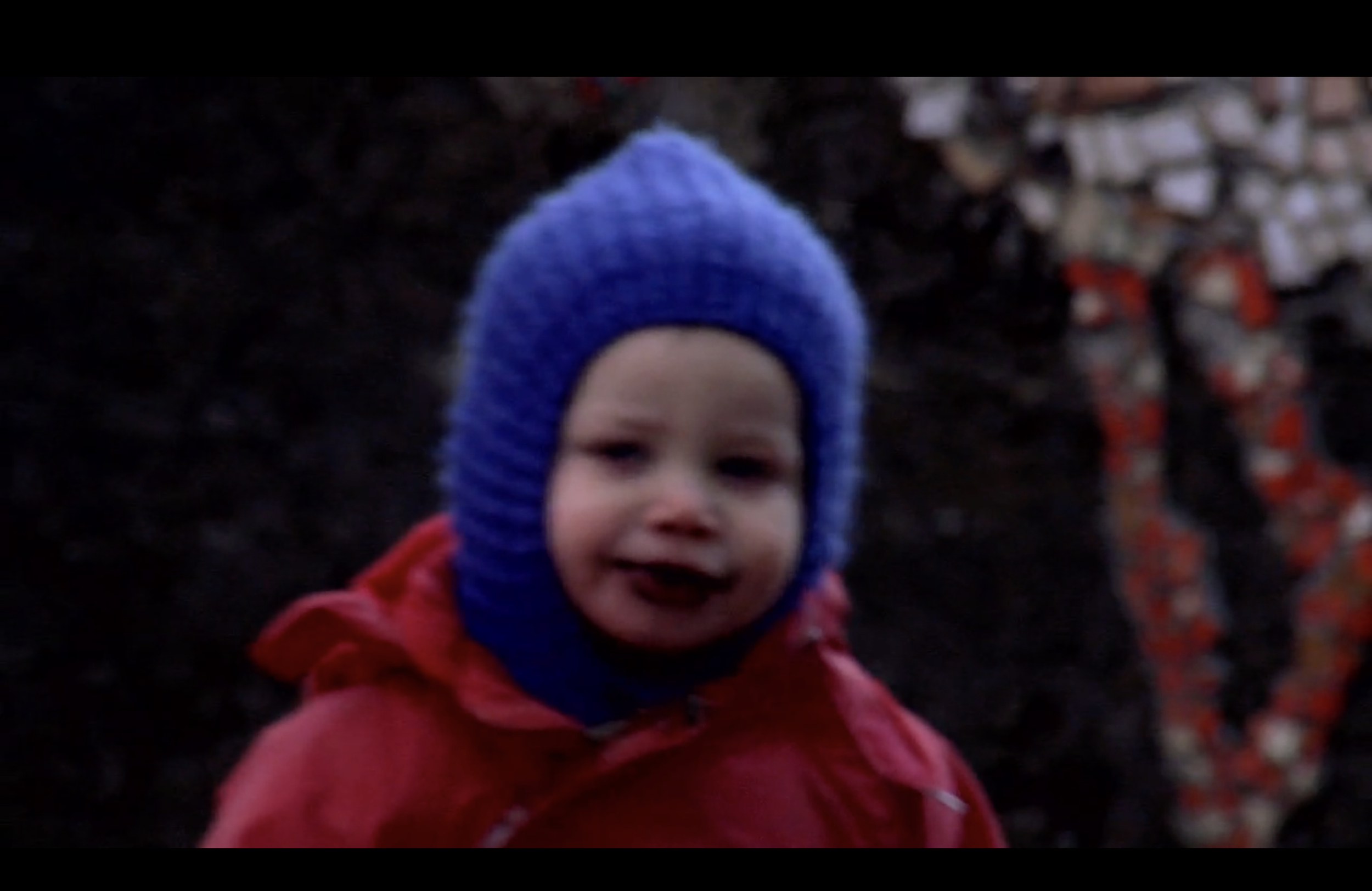
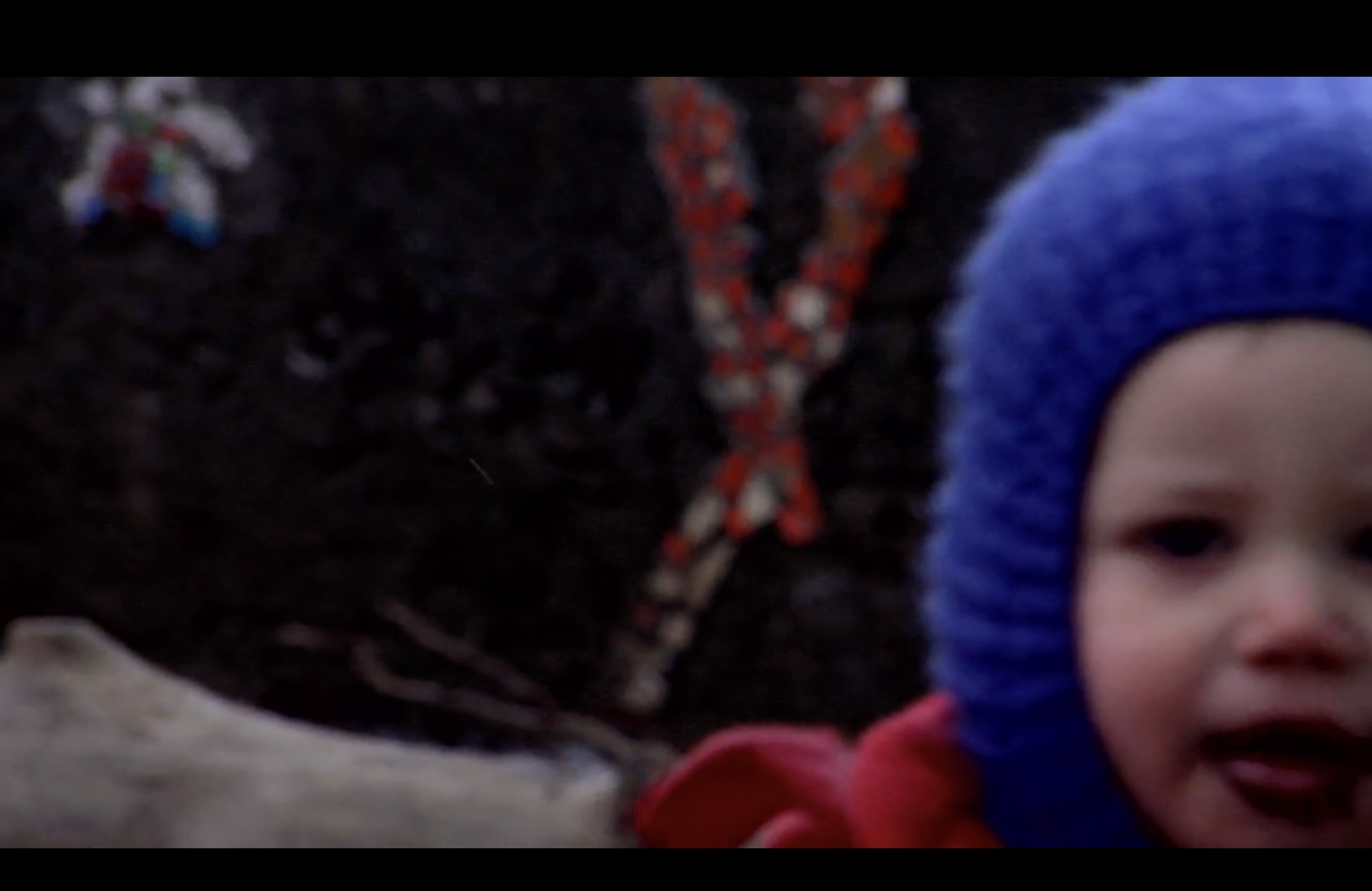
They Go Out In Any Weather (2011)
An excerpt from the feature documentary, I Send You This Place (2012)
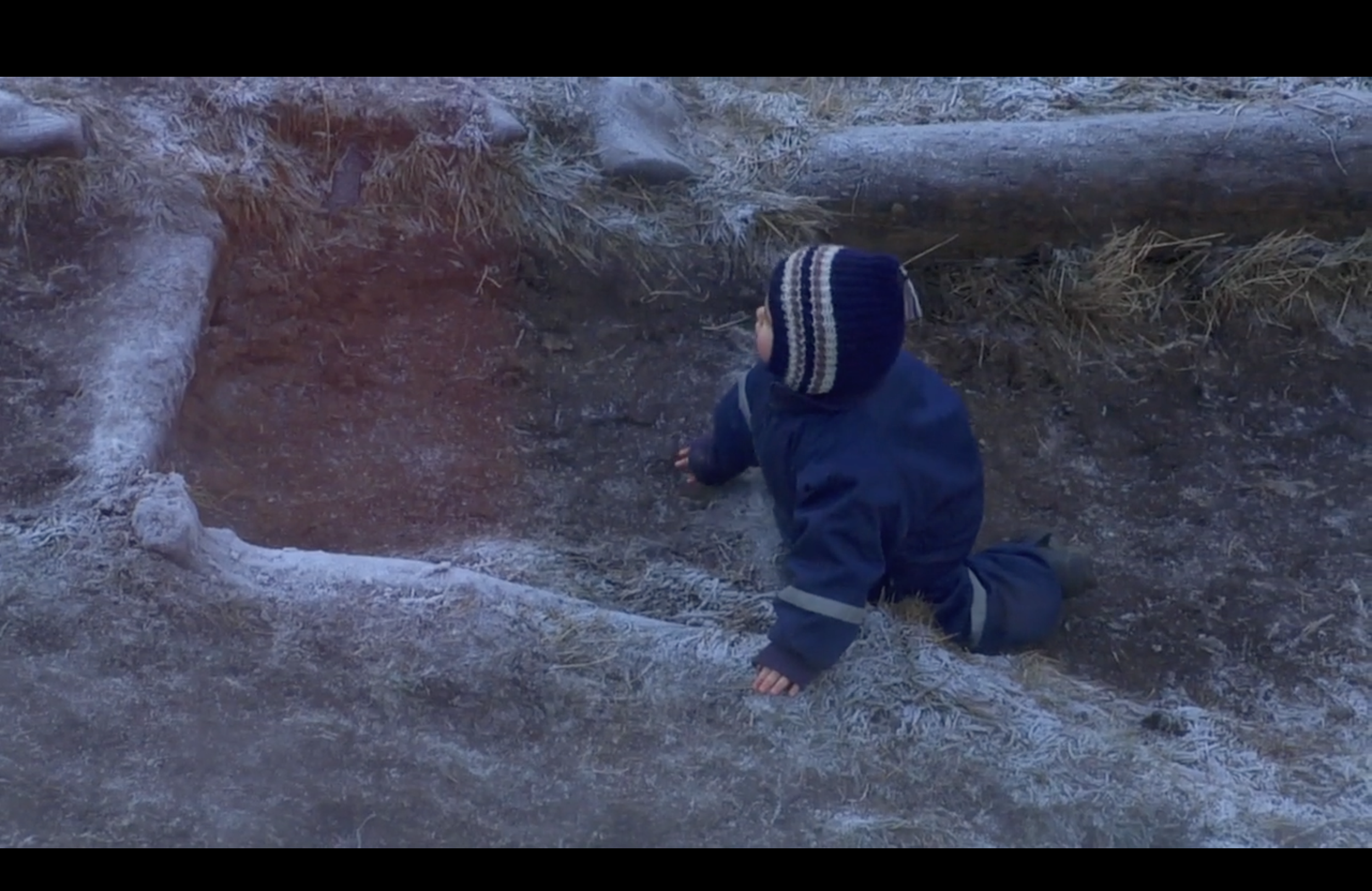
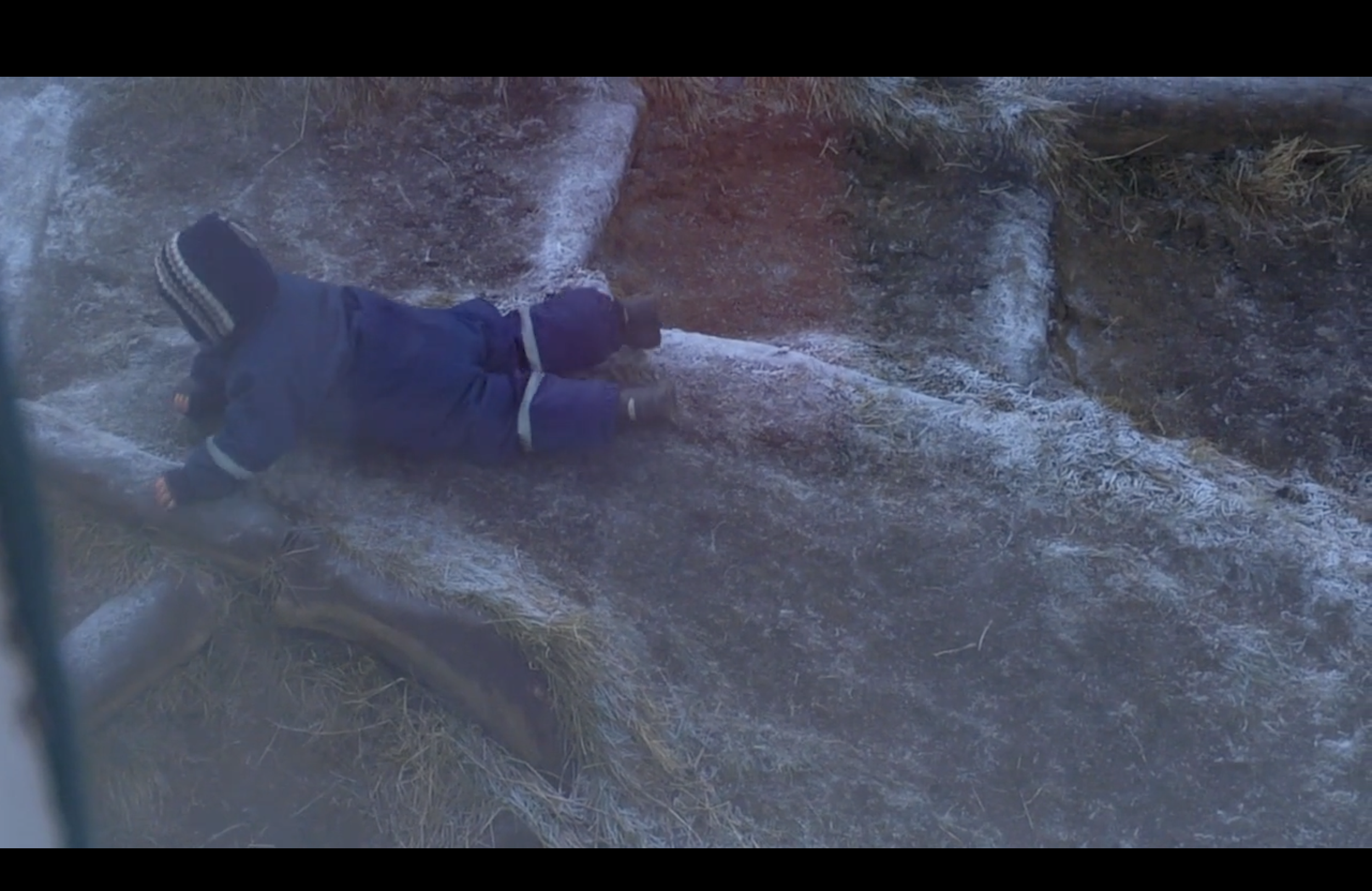
An audience-favorite scene from the film. Shot with permission of Sólstafir Kindergarten and Parents, Reykjavík, Iceland; Our favorite Icelandic, Kindergarten. Thank you!
During the Fulbright Research Fellowship in Iceland, Sisson became drawn to a Steiner kindergarten where children spent their days outdoors, building, making, and learning through direct engagement with the material world. An unexpected encounter with the school became part of I Send You This Place, connecting childhood, creativity, labor, and the symbolic logic that guided the film's making.
-
From the Director
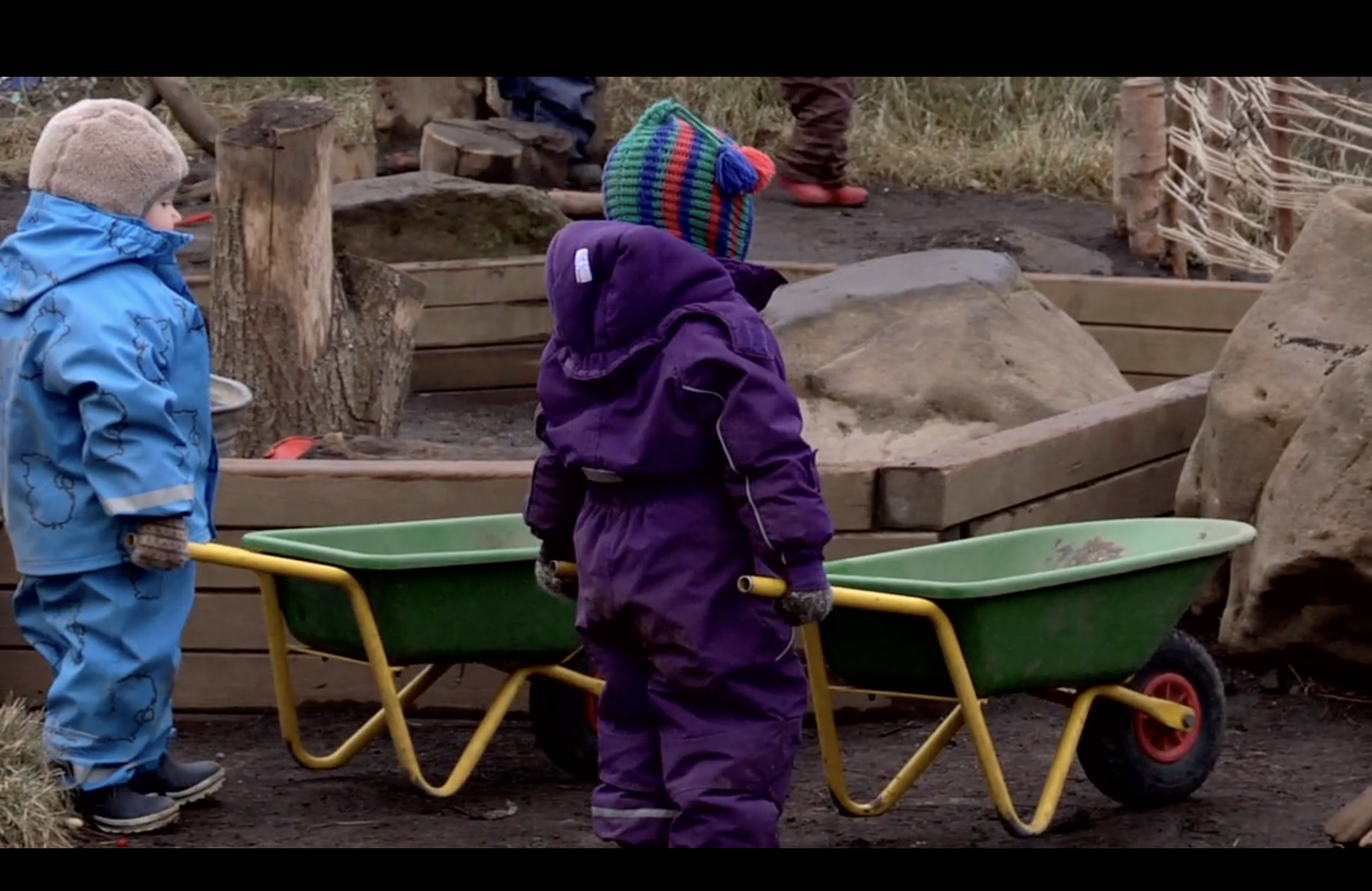
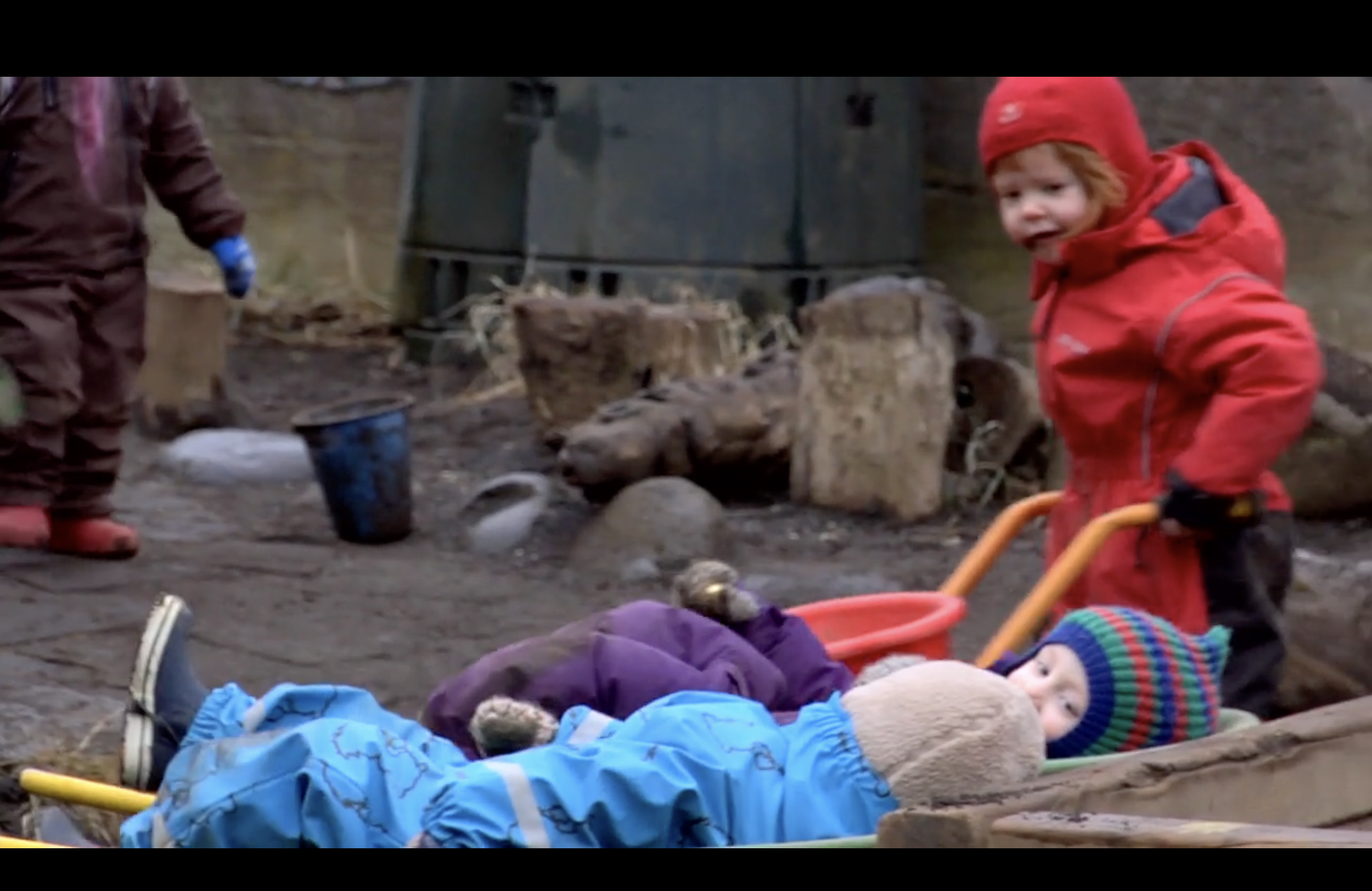
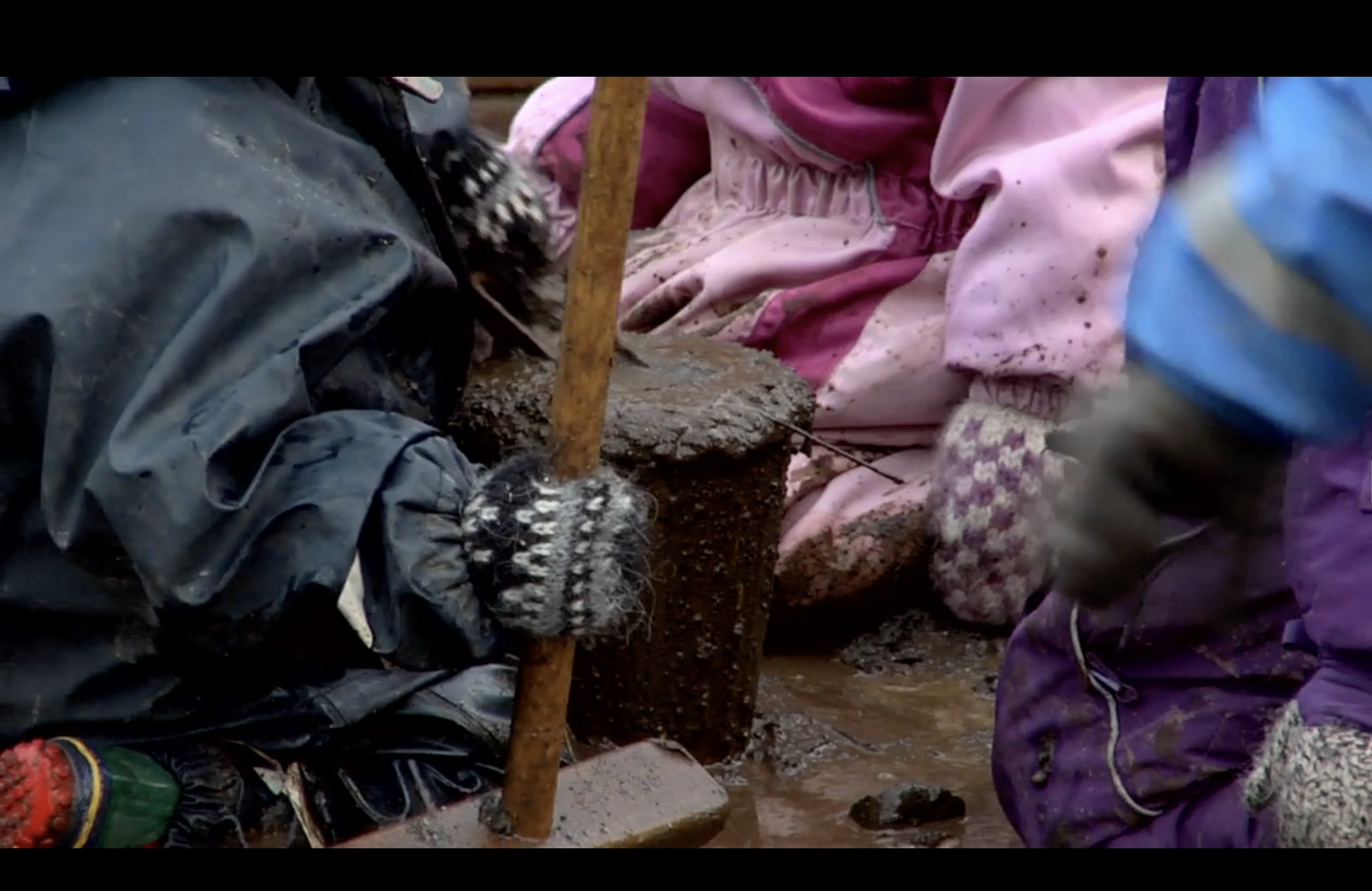
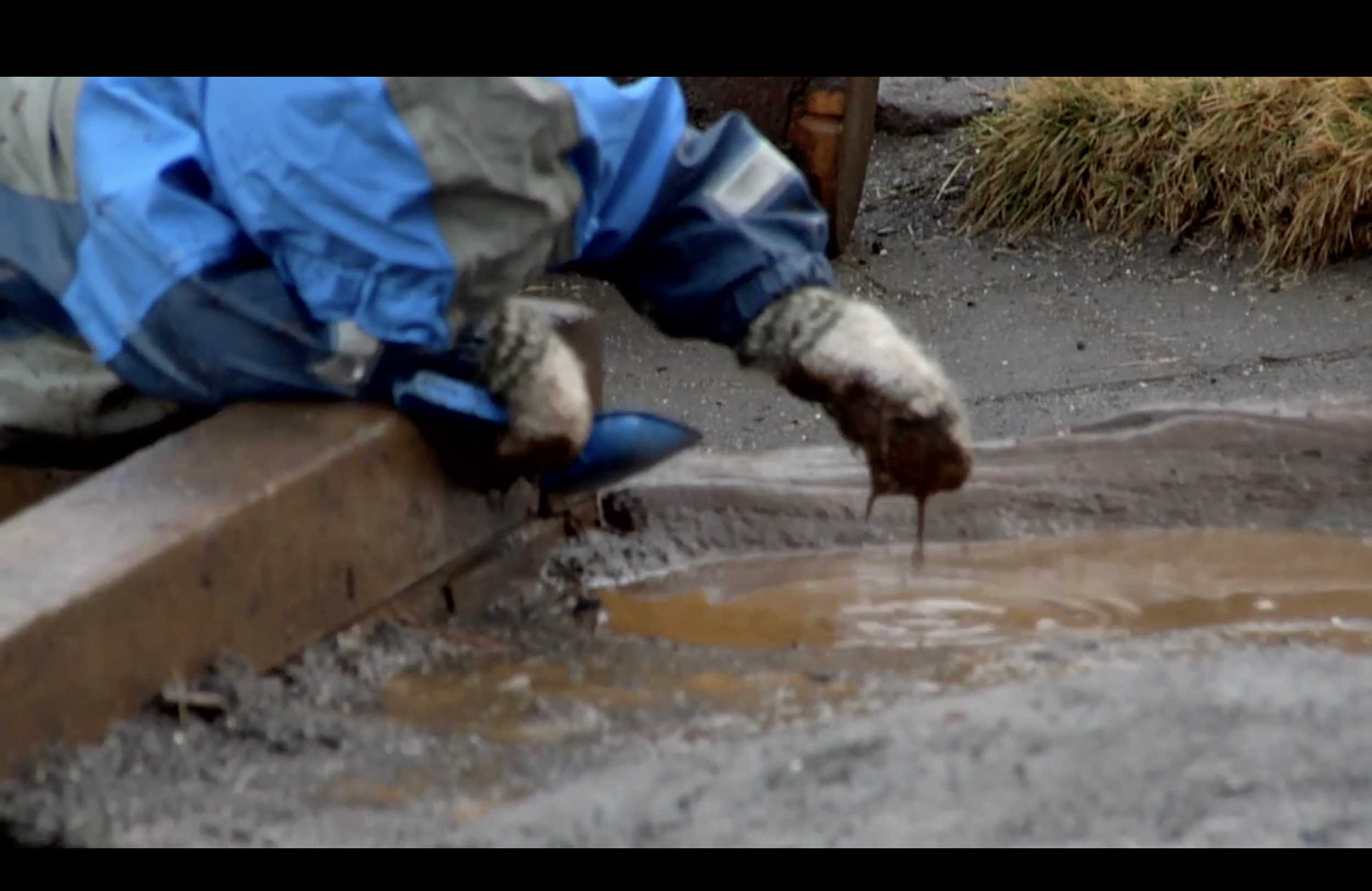
I was attracted to the school. At the time, I was halfway through my Fulbright Fellowship in Reykjavík, Iceland, and for daily breaks from working on my film, I would jog by the school. I found myself increasingly drawn to the sounds and sights of young workers at play over the shoulder-high fence. It seemed that, no matter the season, the weather, the rain, the mud, the snow, the three hours of daylight, the three- and four-year-old children were outside in the very "natural-esque" playground. Deep in the making flow of I Send You This Place, and steeped in its symbols and process, I knew I had to film there.
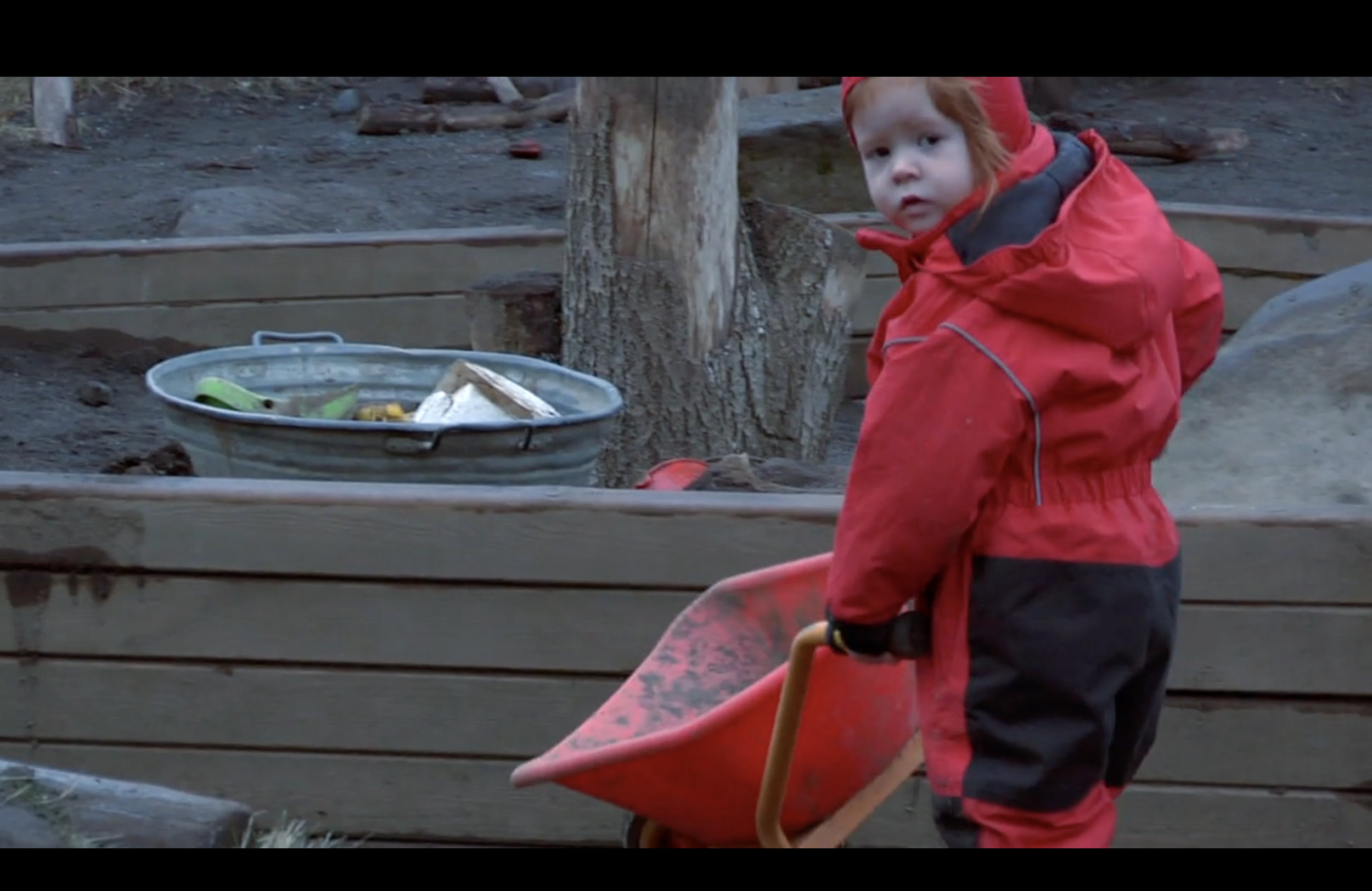
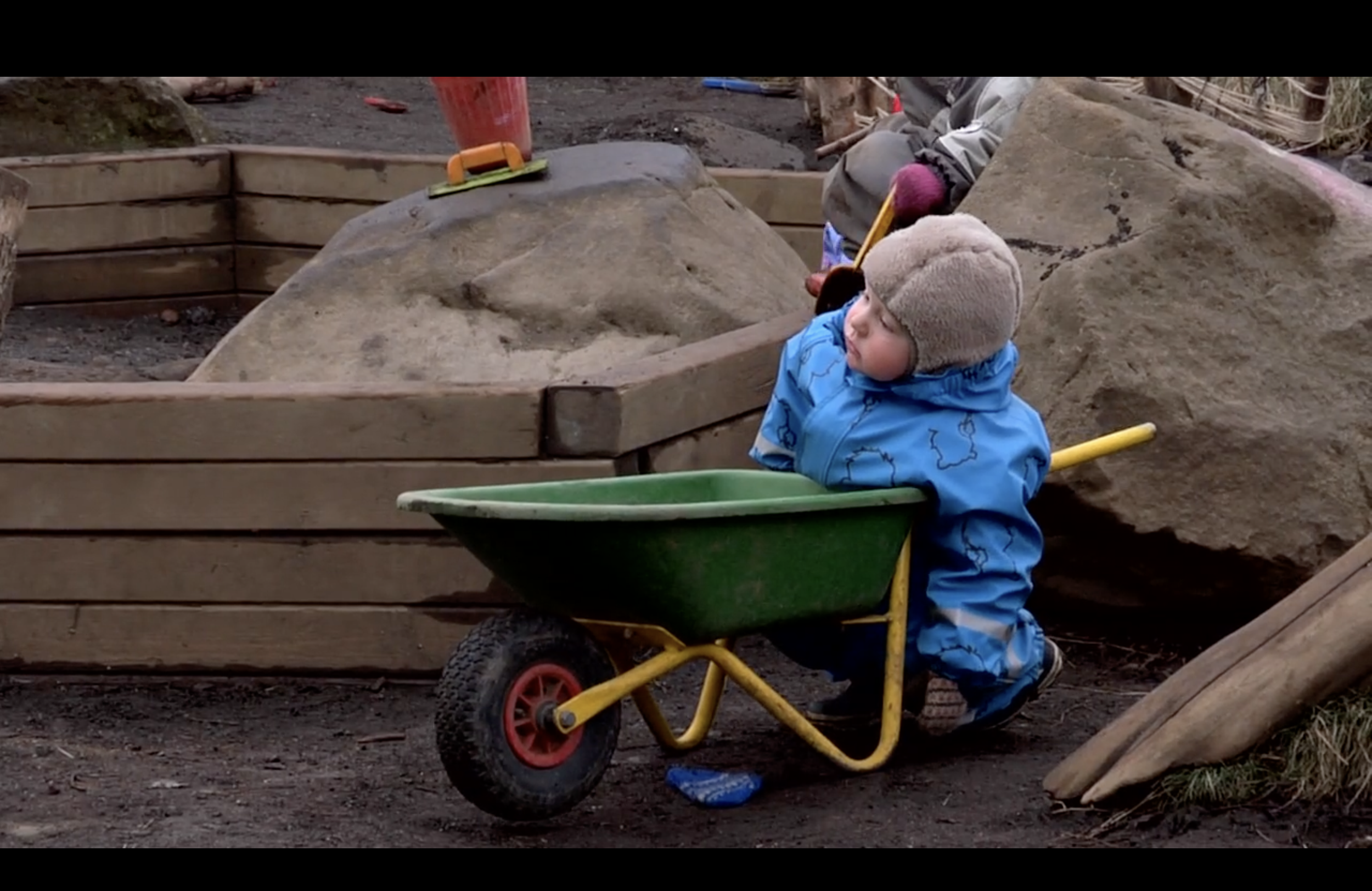
I approached the school and learned it was a Steiner kindergarten, based on the educational philosophy of Rudolf Steiner (known internationally as Waldorf education). Steiner schools emphasize learning through imagination, play, craft, movement, and direct experience, encouraging children to develop practical, creative relationships with the world around them. During our visit, we learned that, together with their caretakers (or should I say collaborators?), the children made their own toys. One educator explained, "Whatever they need, they make it. As they grow, they learn that whatever they need in their life, they can make. They don't necessarily have to go to stores." What I gleaned here was a deep philosophical and pedagogical stance toward interaction with the material world. At this school, they were instilling confidence in engineering and problem-solving, some version of making what they needed. They encouraged agency with material, and emphasised practical resourcefulness (starting with play) an intervention during early cognitive development. The playground was full of slides made of crates, jungle gyms built from old fishing containers, and dolls made of yarn and local wool.
At this point, I was amused by my pull toward the school, for this was precisely consistent with the basis of my Fulbright research that year: the relationship between access to materials, resources, and creativity, and how the lack of them can fuel a particular kind of creativity. I had found this to be true of island life, where shipping (and what I had come to know elsewhere as Amazon) wasn't readily accessible. In both the arts and the quotidian, people resorted to inventive solutions for the materials they needed. The definition of resourceful.
During several days spent in the playground, it struck me that the three- and four-year-olds were in charge, displaying ingenuity and confidence in their surroundings. Adults (caretaker-collaborators) were sparse. Not lost on me, the children also wore the same full-body snow suits (work suits, really) that construction workers wore around Iceland, and that I myself had acquired. By this point in the film's process, I had already been filming construction workers across Reykjavík and the Icelandic countryside while symbolically performing in my own work suit. I was interested in the building blocks of cognition, in experience, in how the psyche is formed. The work suit was a symbol, and the children a site of origin. I had to follow the thread and film these mini adults in this symbolic work field.
This excerpt is one of the moments of observational documentary within the film's otherwise hybrid form.
When asked about concerns over the harsh weather, educators at Sólstafir Kindergarten simply replied, "They go out in any weather,” a response entirely consistent with the Icelandic way.
I Send You This Place (2012)
Story and Written by Andrea Sisson
Directed, Produced, and Edited by Andrea Sisson & Pete Ohs.
Performance by Andrea Sisson. Camera by Pete Ohs.
All music instrumentation, composition, and arrangement by Andrea Sisson & Pete Ohs.
Research by Andrea Sisson
Filmed between 2010-2012 in Reykjavik, Iceland